
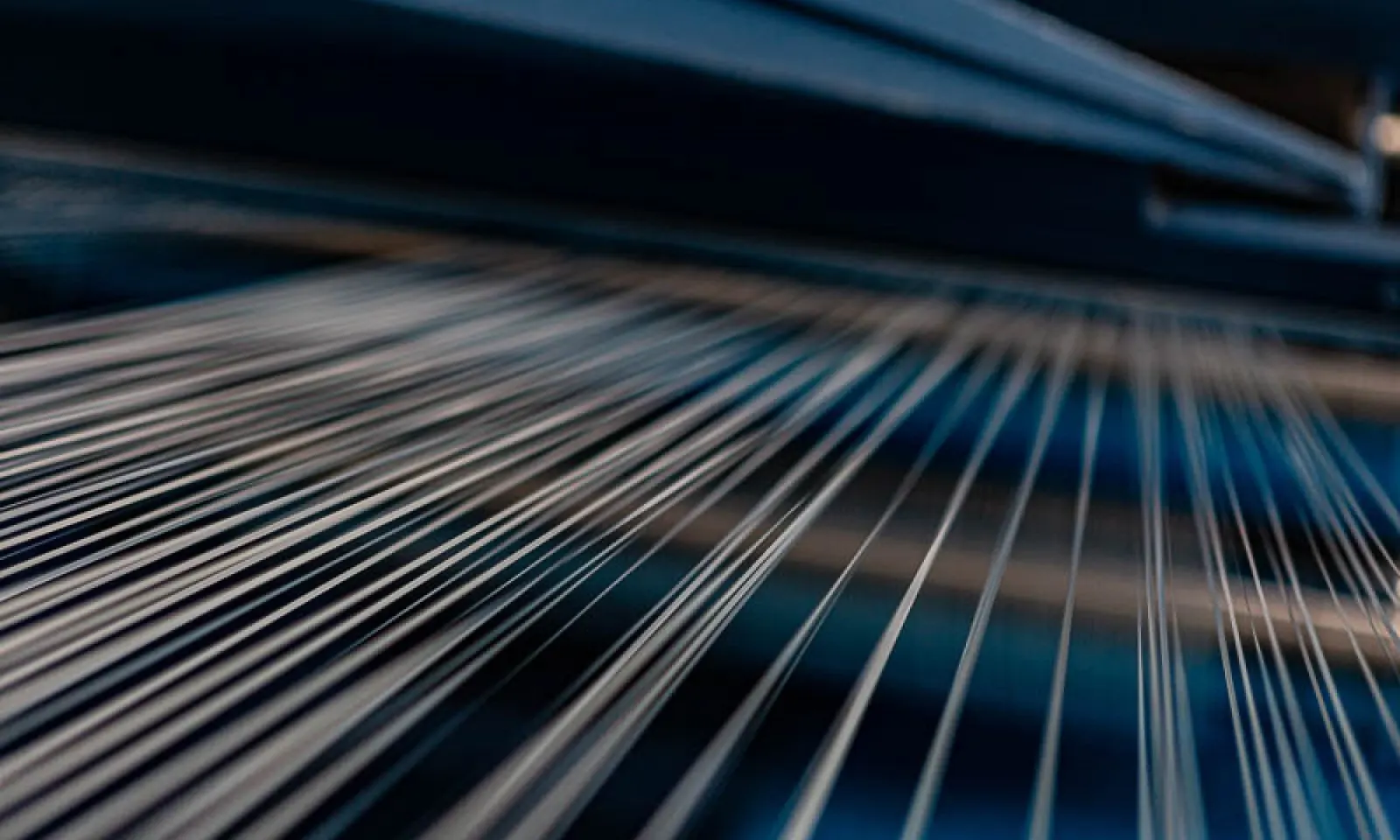
What Is Polypropylene Fabric and Why Bulk Bags Are Made From It

Polypropylene fabric is a synthetic textile made from polypropylene (PP), a lightweight thermoplastic polymer. In industrial packaging, it is commonly manufactured by weaving narrow polypropylene tapes into a flexible, strong fabric. This construction makes it suitable for flexible intermediate bulk containers (FIBCs), jumbo bags, industrial sacks and other packaging used to store and transport dry materials.
Woven polypropylene combines tensile strength, chemical resistance and relatively low weight. Its performance depends on how the polymer is processed, how the tapes are woven and whether the finished fabric receives additional treatments. At Cegy Plastics, we manufacture polypropylene fabric and convert it into bulk bags at our factory in 10th of Ramadan City, Egypt.
What Is PP Material?
PP stands for polypropylene, a thermoplastic produced from propylene. It is supplied as small granules that can be melted and processed into films, fibers, tapes and molded products. Its low density makes it particularly useful when packaging must remain lightweight while providing mechanical strength.
PP cloth generally refers to fabric made from polypropylene. However, polypropylene textiles have different structures. Nonwoven PP consists of bonded fibers, while woven polypropylene packaging fabric is made from interlaced tapes. These constructions serve different purposes and should not be considered interchangeable.
For bulk bags, woven tape fabric is preferred because its structure allows forces to be distributed across the material during filling, lifting and handling.
How Polypropylene Fabric Is Manufactured
The production process begins with raw material preparation. At Cegy Plastics, our polypropylene yarn starts from PP granules mixed with UV master batch, calcium carbonate and, when required, color pigment.
Each component contributes to the formulation:
- Polypropylene granules: Form the primary material used to produce the tapes.
- UV master batch: Contains stabilizing additives that help limit ultraviolet degradation.
- Calcium carbonate: Functions as a mineral filler that influences material properties according to its concentration and formulation.
- Color pigment: Provides the required fabric color when specified.
The prepared mixture enters an extrusion system, where heat melts the polymer. The molten material passes through a die to form a film, which is cooled and slit into narrow tapes.
These tapes are stretched under controlled conditions. Stretching aligns polymer molecules along the tape direction and improves their tensile properties. The finished tape yarn is wound onto bobbins for weaving.
Extrusion conditions, tape dimensions and stretching parameters influence the properties of the finished fabric. Material formulation alone does not determine its performance.
Flat Weaving and Circular Weaving
Polypropylene tapes are woven together in two directions. Lengthwise tapes form the warp, while crosswise tapes form the weft. Their interlocking arrangement creates a fabric capable of resisting forces in multiple directions.
Flat Woven Fabric
Flat looms produce fabric in sheets. These sheets are cut into panels for different FIBC constructions, including four-panel and U-panel bags.
Flat fabric is also used for bag bottoms, tops and reinforcement components. The final arrangement depends on the bag's dimensions and intended loading conditions.
Circular Woven Fabric
Circular looms produce tubular fabric rather than flat sheets. This construction allows manufacturers to make certain bag bodies without joining separate vertical side panels.
However, tubular construction does not eliminate all seams or automatically guarantee greater lifting strength. The complete bag design, including its lifting loops and stitching, determines load-bearing performance.
Our fibc bags manufacturing process connects extrusion and weaving with coating, cutting, sewing, liner welding and laboratory testing. These in-house operations support control over the stages that convert polypropylene into finished industrial packaging.
What Does Fabric Weight Mean?
Polypropylene fabric weight is usually specified in grams per square meter, abbreviated as GSM or g/m². For example, a fabric rated at 180 GSM has a nominal mass of 180 grams for every square meter.
GSM describes fabric mass, not the maximum weight a finished bag can safely carry. Two fabrics with identical GSM values may have different tensile properties because of differences in tape thickness, tape width, weaving density and polymer formulation.
Fabric selection must therefore consider more than weight. A heavier material may be appropriate for some applications, but it does not automatically provide better performance in every bulk bag design.
Buyers should also confirm whether a quoted GSM refers only to the woven fabric or includes an applied coating. This distinction affects comparisons between specifications.
Coated vs Uncoated Polypropylene Fabric
The woven structure of polypropylene fabric leaves small gaps between its tapes. These gaps affect airflow, moisture penetration and the movement of fine particles.
Uncoated PP Fabric
Uncoated fabric retains its basic woven surface. It generally permits more airflow and may suit dry materials that do not require a substantial moisture barrier.
However, fine powders can escape through the weave, particularly during filling or movement. Uncoated fabric is not automatically suitable for applications requiring dust containment.
Coated PP Fabric
Coated fabric has an additional polymer layer that reduces permeability through the woven surface. This can improve resistance to moisture entering through the fabric and limit leakage of fine particles.
A coating does not make the complete bag waterproof or airtight. Seams, filling openings and discharge components may still permit moisture or dust movement.
Where additional protection is required, polyethylene liners can be incorporated into the bag. Coating and lining serve related but distinct purposes, and the correct choice depends on the packaged material.
Why Is UV Master Batch Important?
Polypropylene can deteriorate when exposed to ultraviolet radiation from sunlight. Prolonged exposure may reduce flexibility and mechanical strength.
UV master batch introduces stabilizers into the polymer formulation to slow this degradation. It is particularly relevant when bulk bags may encounter sunlight during transportation, handling or temporary outdoor storage.
UV stabilization does not provide unlimited outdoor durability. Exposure intensity, temperature, duration and formulation influence performance. Protecting bags from unnecessary prolonged sunlight remains important even when stabilizing additives are included.
Why Bulk Bags Use Woven Polypropylene
Woven polypropylene offers a practical combination of properties for industrial bulk packaging.
- Mechanical strength: Stretched tapes and woven construction help distribute forces throughout the fabric.
- Low weight: Polypropylene's relatively low density allows bags to remain flexible and lightweight.
- Chemical resistance: The polymer resists many aqueous acids, alkalis and salt solutions, although compatibility depends on the specific chemical and exposure conditions.
- Flexible construction: Empty bags can be folded, making them easier to store than many rigid containers.
- Adaptable packaging: Fabric can be converted into different bag shapes with various filling and discharge arrangements.
These properties support applications involving minerals, construction materials, agricultural products and other dry bulk goods. Nevertheless, the suitability of a bag depends on the complete design, not the fabric alone.
Polypropylene fabric is also used for smaller industrial sacks. Our pp woven bag products apply the same fundamental weaving principle to packaging formats intended for smaller quantities of material.
How to Choose the Right PP Fabric
Fabric specifications should reflect the material being packaged and the conditions in which the bag will operate. Important considerations include product density, particle size, moisture sensitivity, filling weight and handling requirements.
Fine powders may require coated fabric or a liner, while products that benefit from ventilation may need a more breathable construction. Outdoor exposure can influence UV stabilization requirements.
Electrostatic hazards also require attention. Standard woven polypropylene can accumulate static electricity during some powder-handling operations. Conductive Type C FIBCs must be grounded during filling and discharge, while static dissipative Type D FIBCs are designed for use without grounding.
At Cegy Plastics, our in-house manufacturing and testing operations help us evaluate fabric construction alongside the requirements of the finished bulk bag. The objective is to select suitable material properties for the intended application rather than relying on a single fabric characteristic.
Frequently Asked Questions
What Is PP in Packaging Material?
PP means polypropylene, a thermoplastic used for woven bags, films, containers and other packaging products. In industrial woven packaging, polypropylene is melted, formed into tapes, stretched and woven into fabric. PP differs from polyethylene (PE), which is commonly used for packaging liners and films.
What Are the Downsides of Polypropylene Plastic?
Polypropylene has limitations involving sunlight exposure, high temperatures and compatibility with certain chemicals. Without appropriate UV stabilization, prolonged sunlight can degrade its mechanical properties. Woven PP fabric is also not inherently waterproof, airtight or dustproof.
Polypropylene is petroleum-derived and requires suitable collection and processing systems for recycling. Coatings, liners and contamination can complicate recovery. These limitations should be considered when specifying packaging, alongside the material's strength, flexibility and chemical resistance.


